Here’s the announcement you’ve probably not really been waiting that much for: The winner of the Tip-Wic pen I’m giving away. I counted up those who wanted to be part of the contest and there were 13 entries which I numbered oldest to newest. The random number generator told me the winner was number 11 which is Lauren. Congrats on winning something of little value and possibly no real use!!! A notification email is on the way.
I really do appreciate all the people who took the time to read my blog and enter the contest. So many were from people I knew not and I can’t figure out how they found my contest. Lauren was one of those mysteries, btw. Maybe next time I’ll give away more than one thing since I do wish everyone could have won.
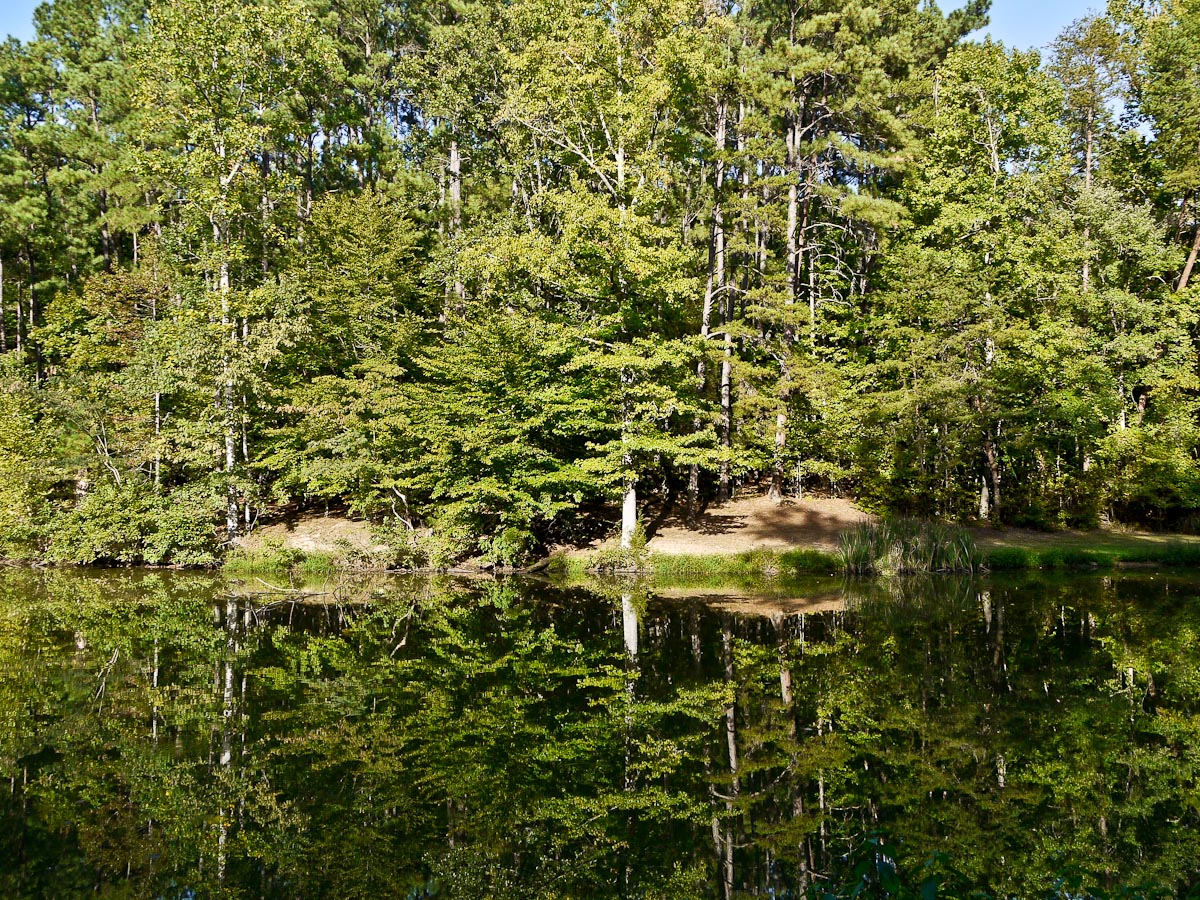
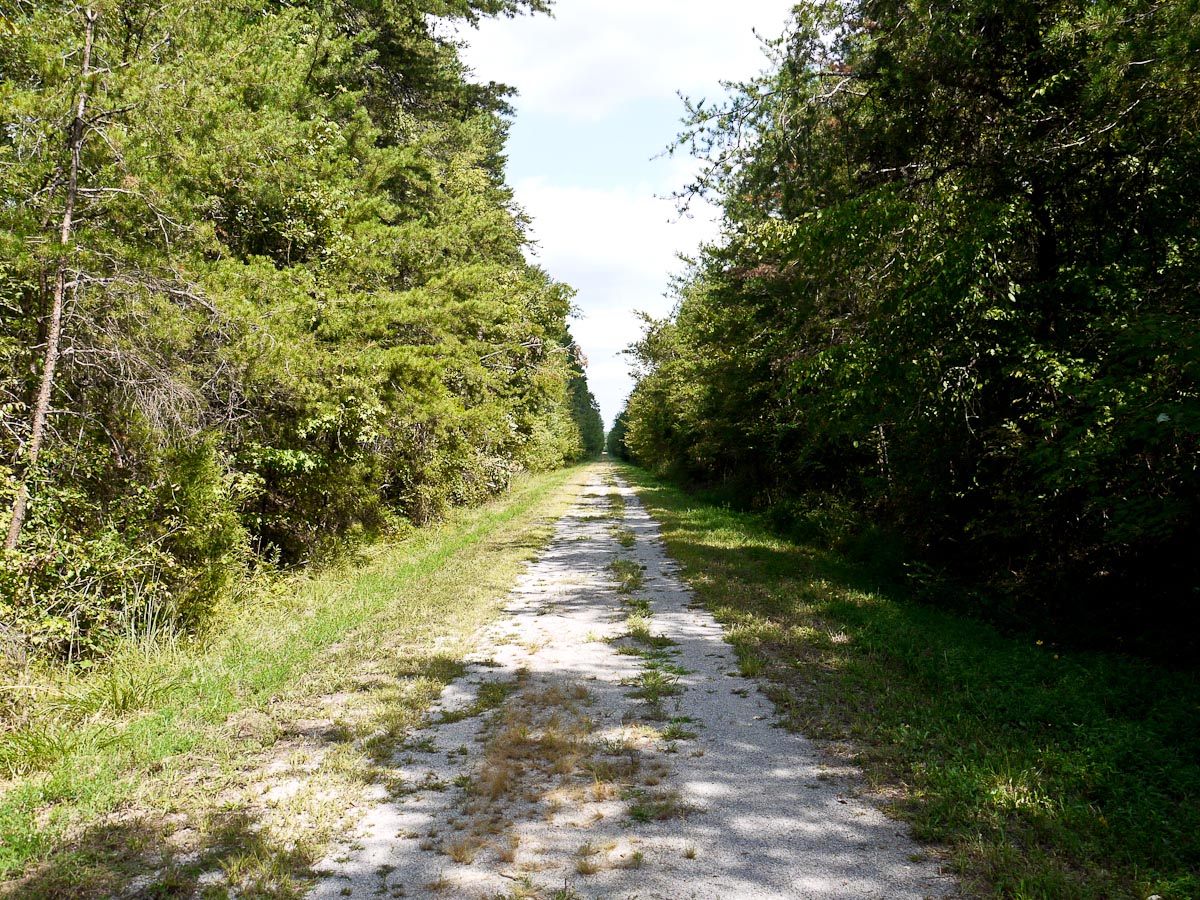
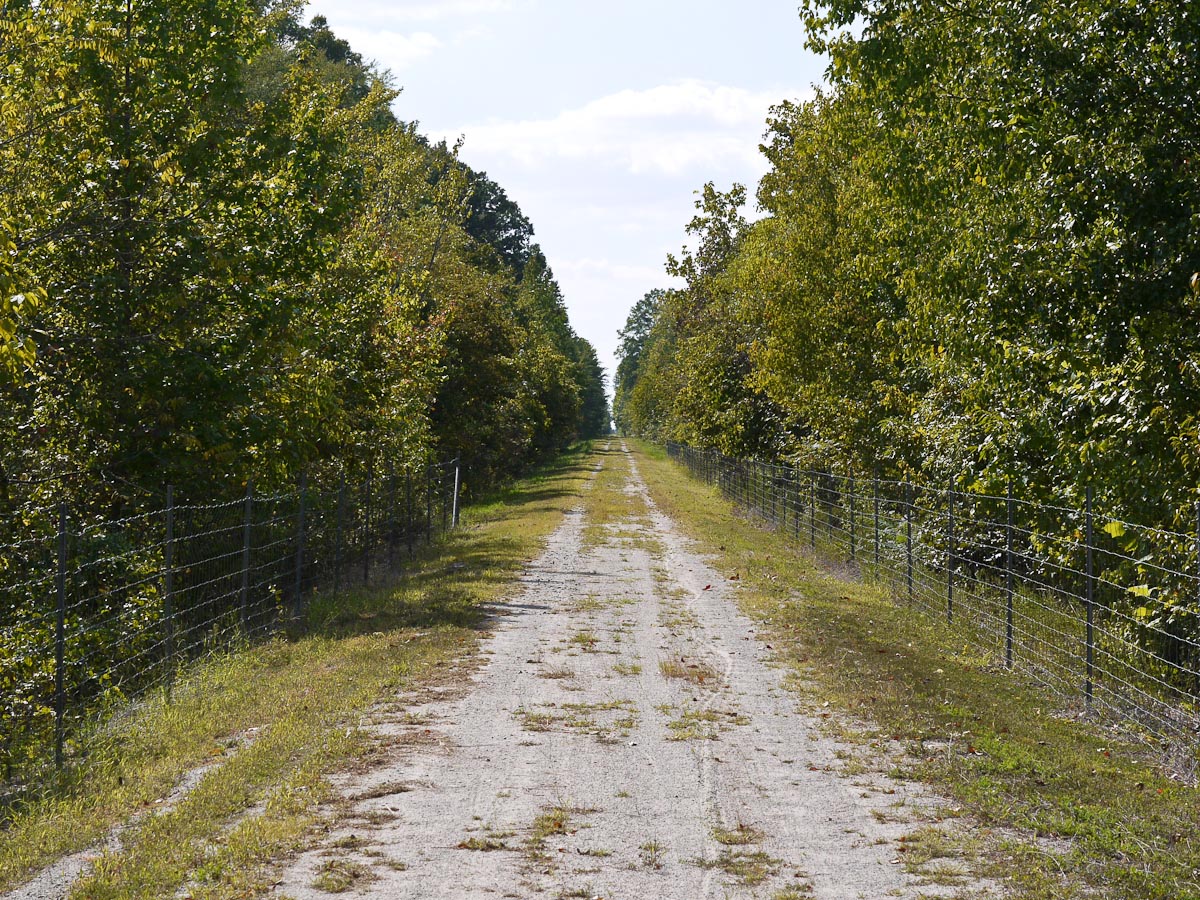
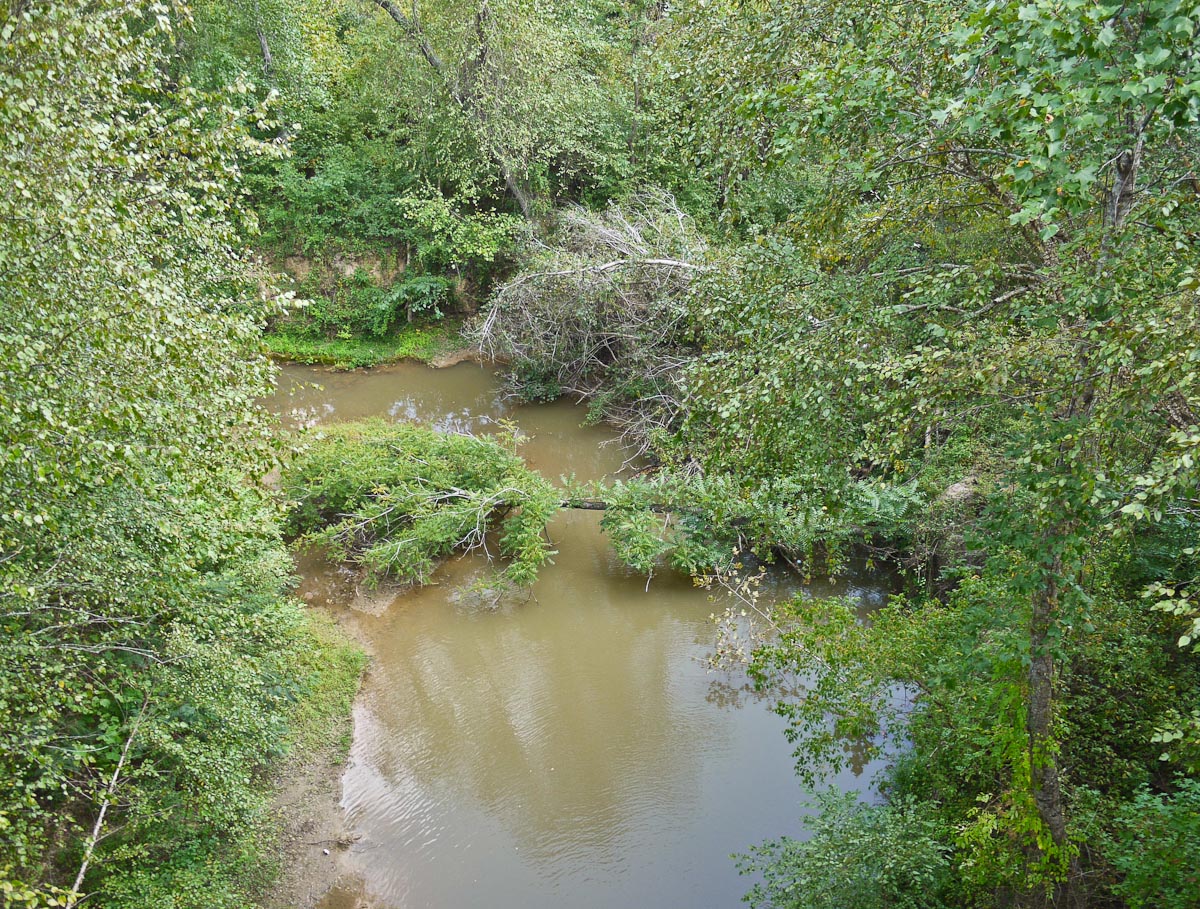
Greensboro and High Point, NC share the Bicentennial Greenway system. It’s not always linked together but there are a number of nice long stretches that are fun to bike on. I’ve still got a thing for taking pictures of nature in some way or another while I ride. Even I realize this is rather boring and looks like a thousand other images but that doesn’t stop me from sharing a handful of pictures here I took on a stretch of this system.
Deep in the bowels of my basement I opened a drawer and found something. After I ran screaming and it scuttled off I found something else there that I must have purchased over 10 years ago on Ebay. It’s an odd bit of writing history and technology for sure.
The pen manufacturer (Wahl-)Eversharp made some mistakes in the 40s that led to its eventual doom. Besides a homely looking line of fountain pens they also had a major fiasco with the CA, an early ballpoint. By 1957 it was all over and Parker bought what remained of the writing division and for a while used the Eversharp brand on some of its products.
One of those Parker/Eversharp products I found in that drawer and you can see it here: The Tip-Wic. What is it? Well, basically it’s a felt tip marker made to use fountain pen ink. I think the blister pack I took a picture of shows the benefits nicely.
I don’t know what prompted its creation or how long it was sold but the package is dated 4-65 and so that gives you an idea of the era. It’s a simple looking writing instrument reminiscent of a Parker 45 in shape and size. How well does it work? Well, here is where the fun starts!
You can win this pen and the extra converter and cartridge in the pack for almost no effort! OK, to be honest some effort. If I inked this pen I’d write a few lines and probably forget about it since I’m not a fan of markers. However, I am interested in learning how it works and someone might want to give that a go. So the deal is first write a comment below about anything since I’m not picky. I’ll use a random number generator to choose the person who gets this almost new item (I did remove the pen from the pack but will put it back in). The tricky part is the winner must agree to use this pen and within a month write a short summary of how they like it. I’ll post that as an update here so everyone can see the results. Just to be clear: You have to write something about how this pen works within 4 weeks and email me it. What if you don’t? Well…I’ll really be grumpy and you will not get any candy if I decide to hand some out in the future.
Let’s say this contest ends in one week on 9/26/2010 at 9:00 PM Easter Standard Time. Good luck to whoever feels the urge to try! Oh, don’t forget: It’s the tip; It’s Porosyn; It glides!
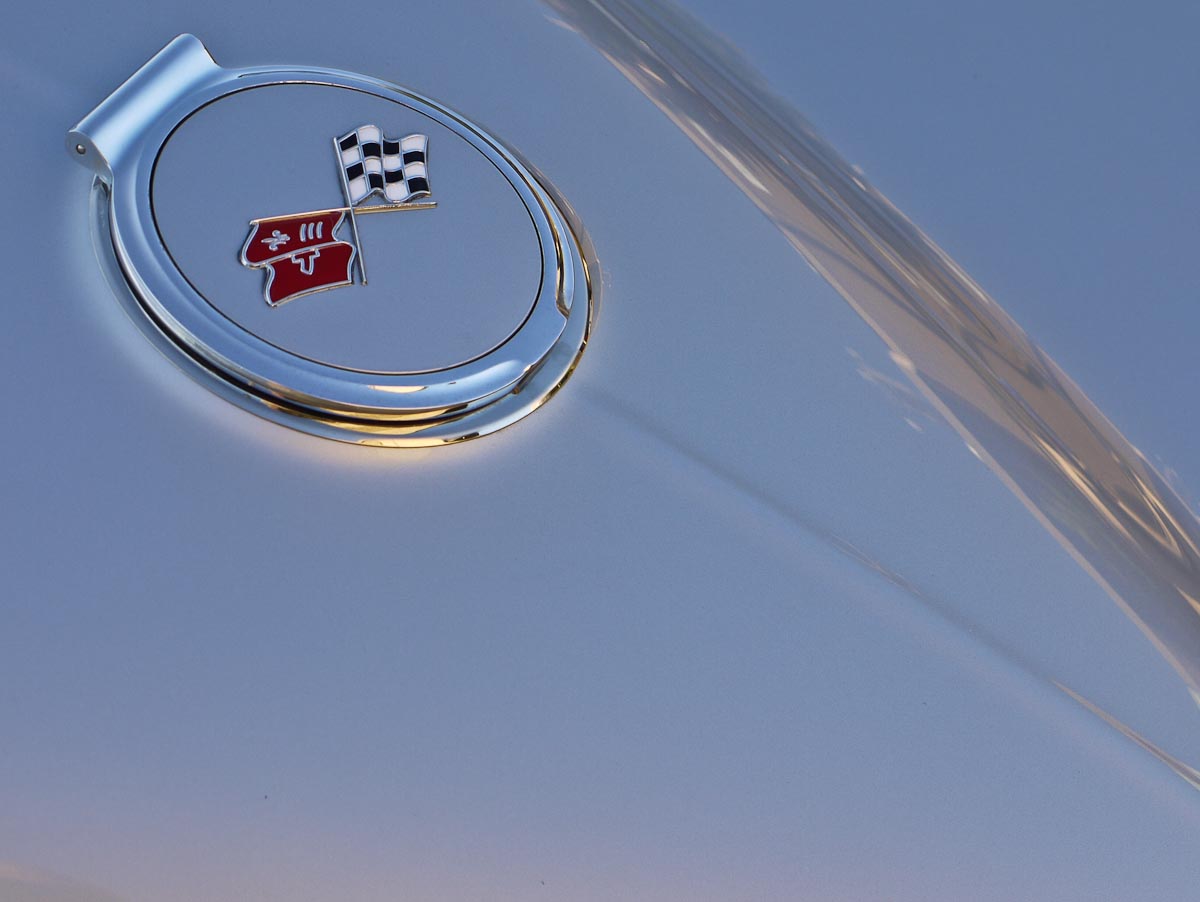
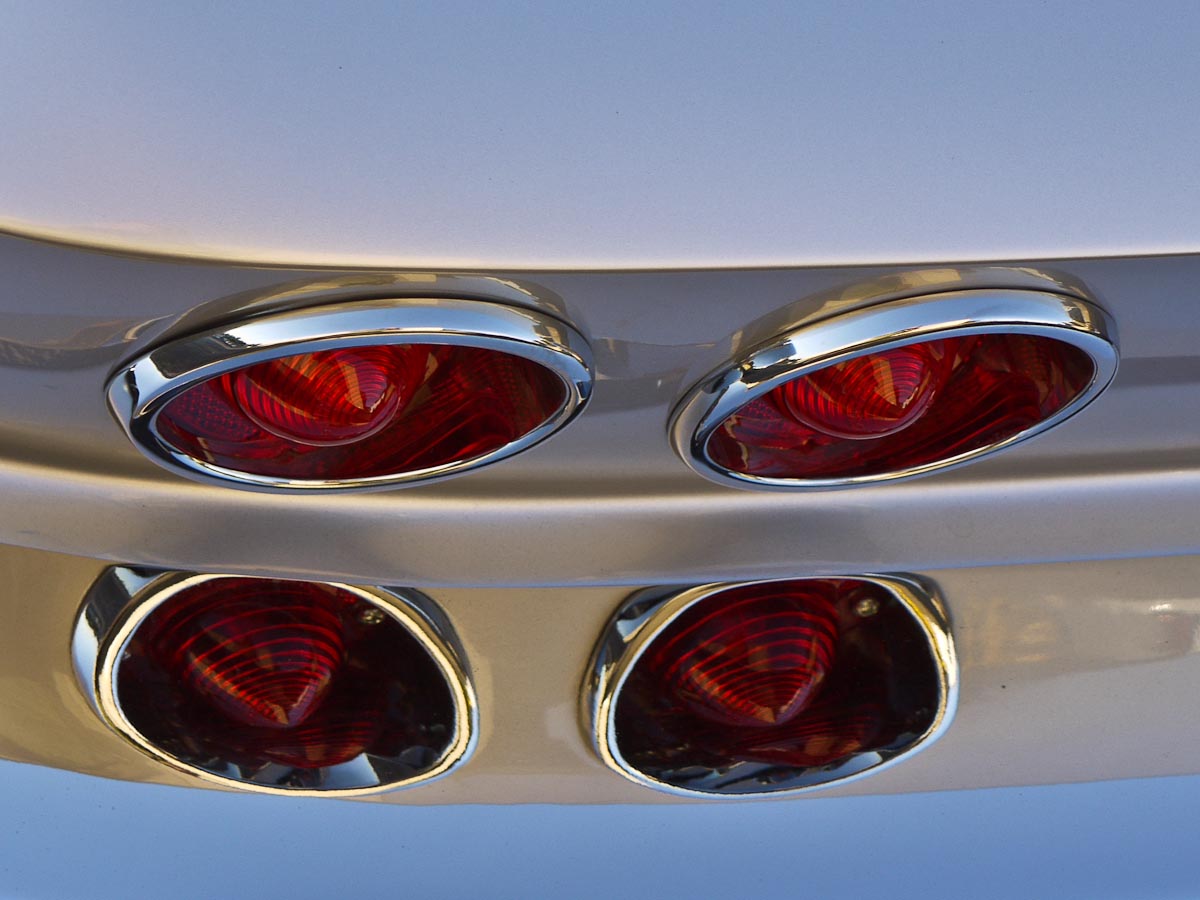
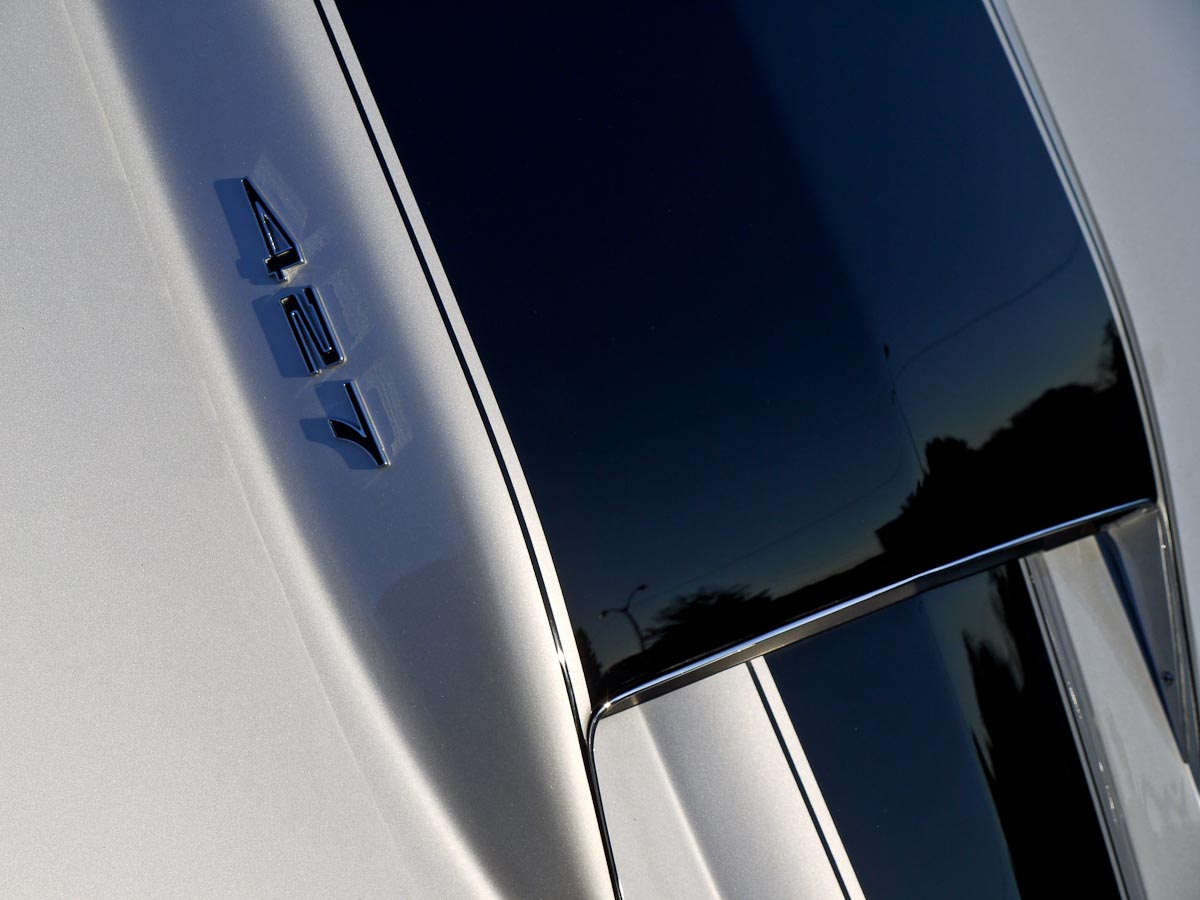
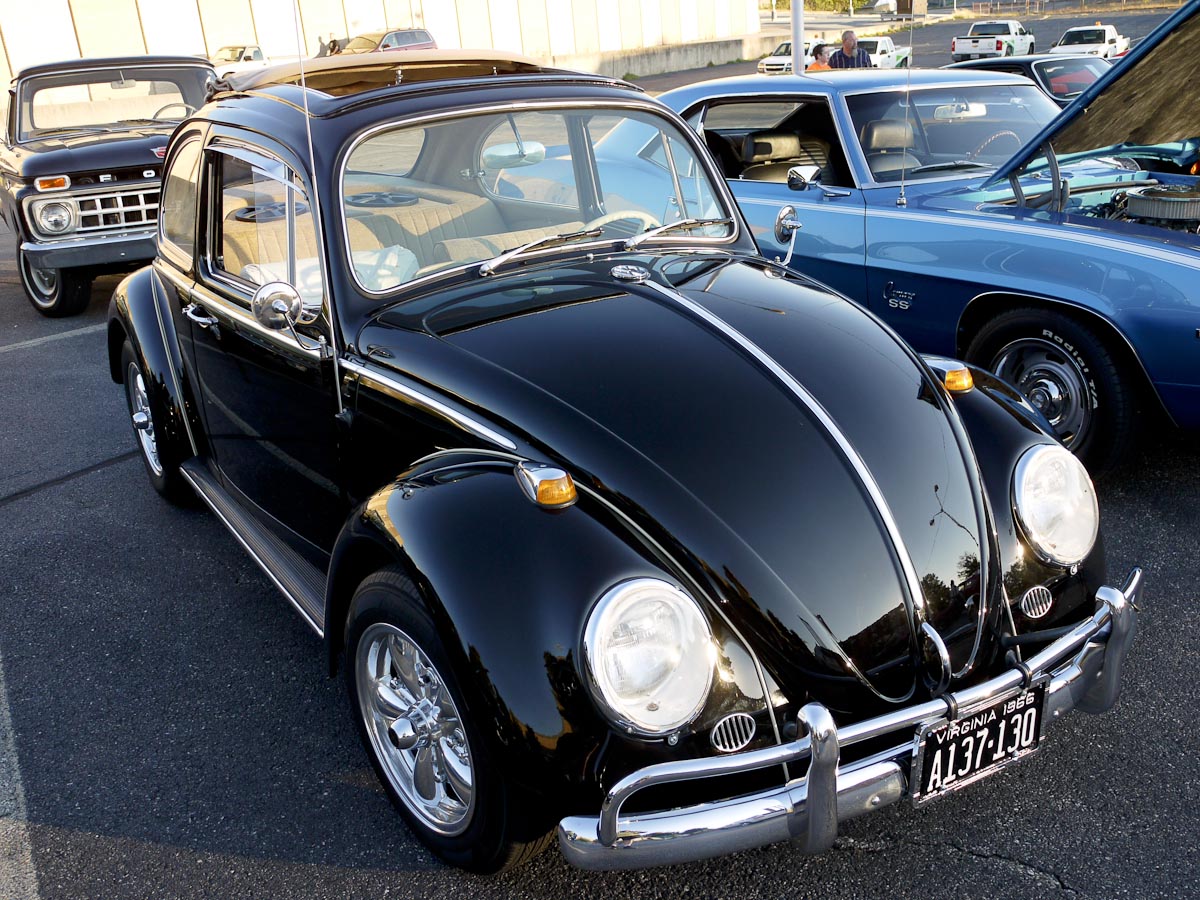
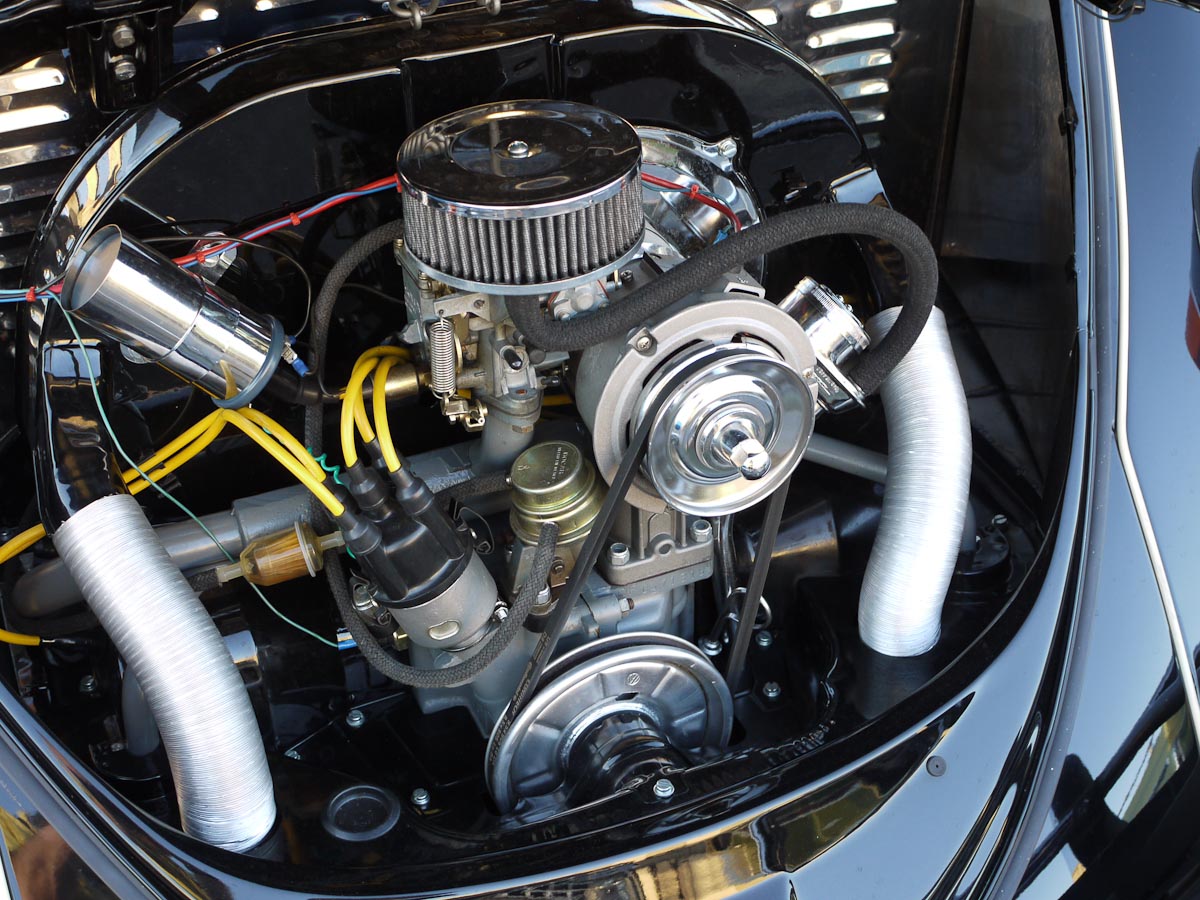
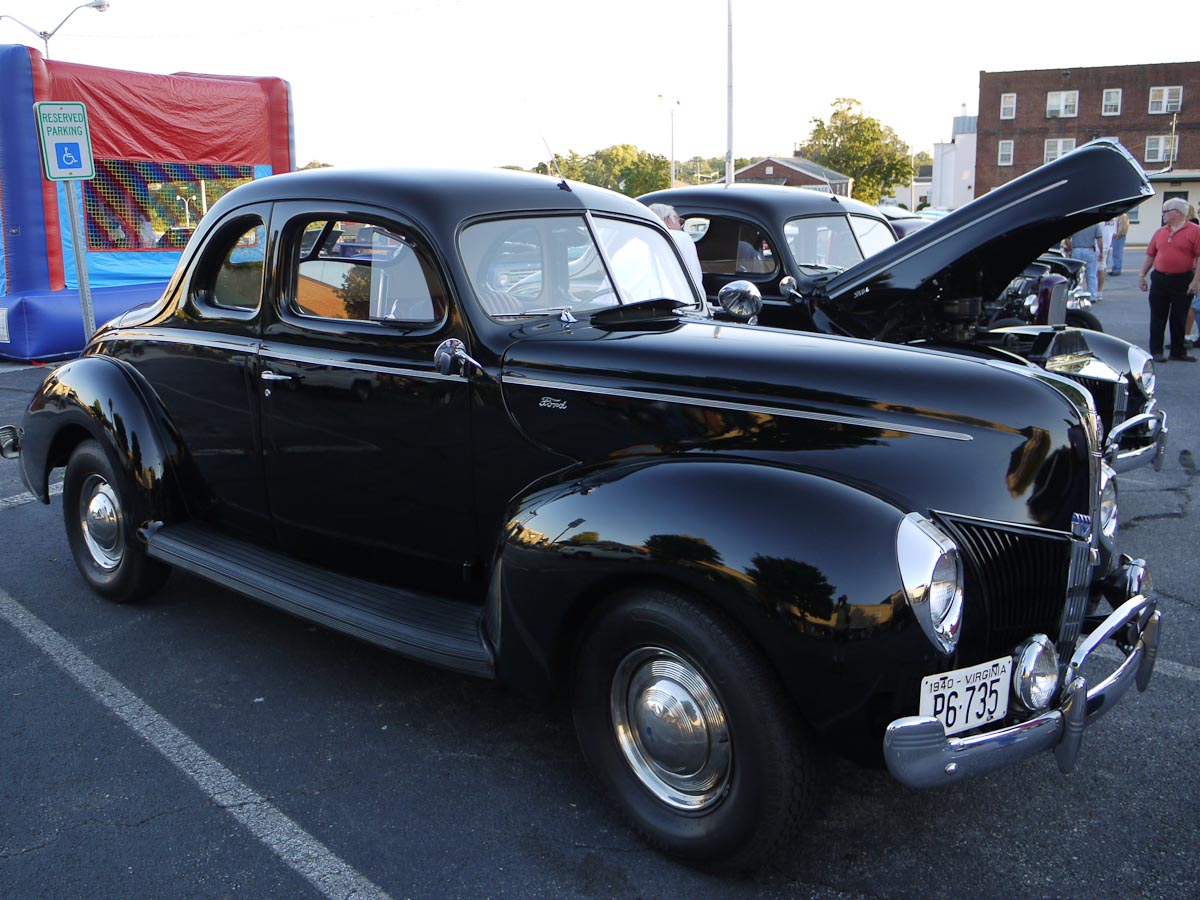
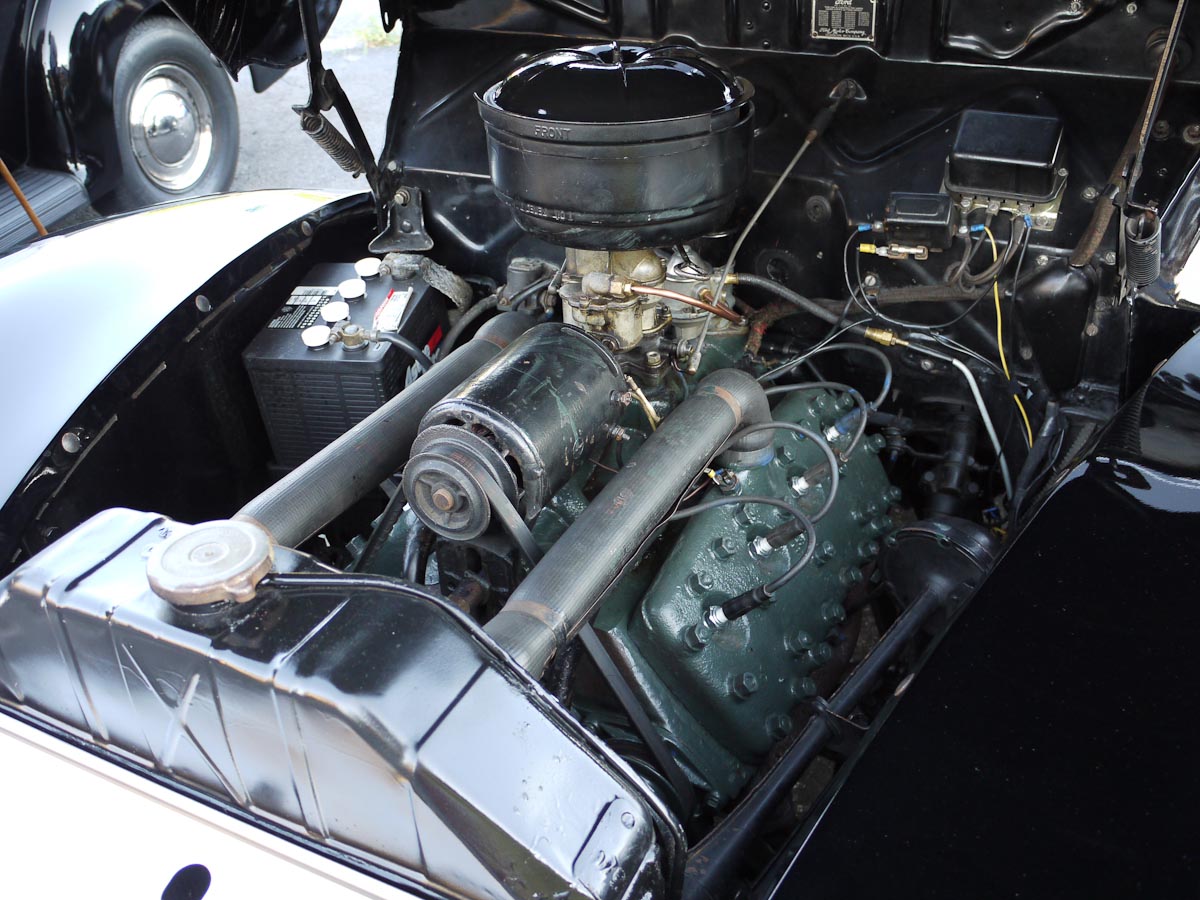
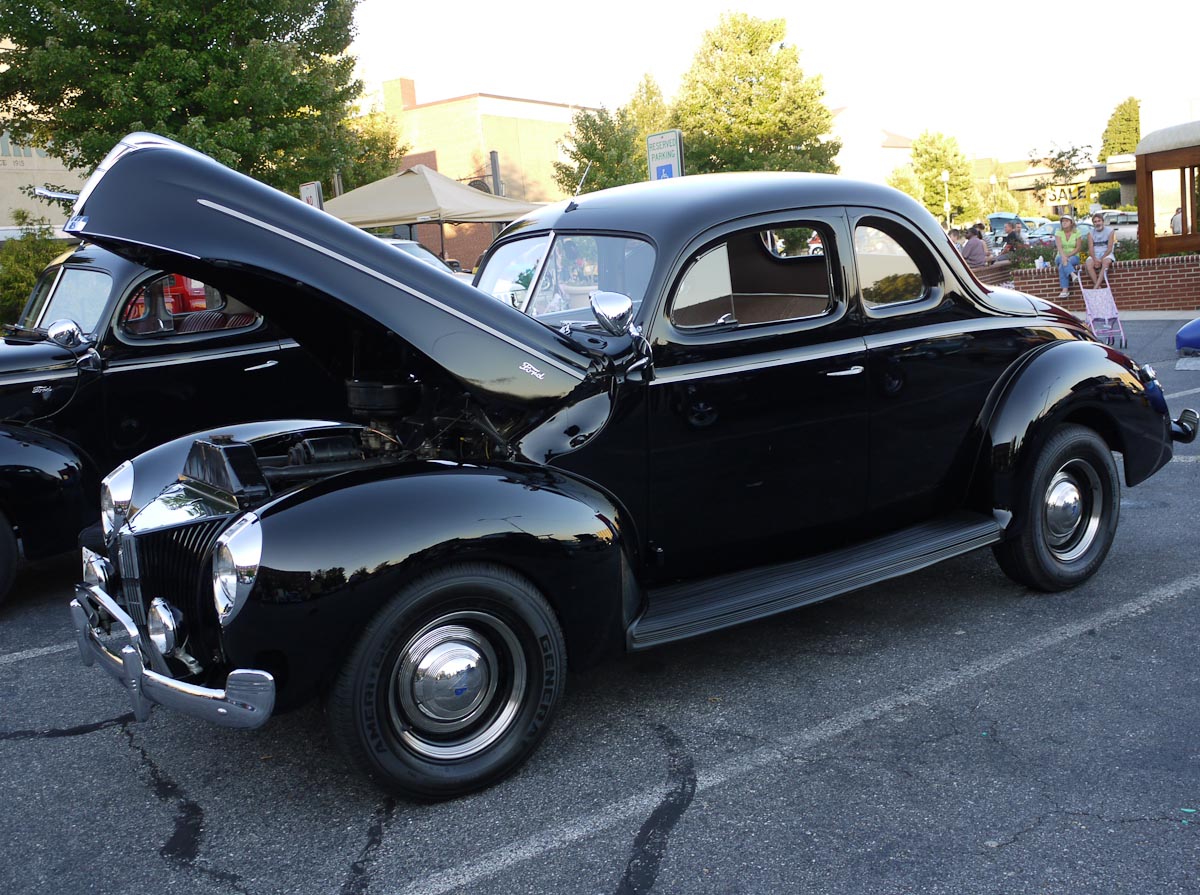
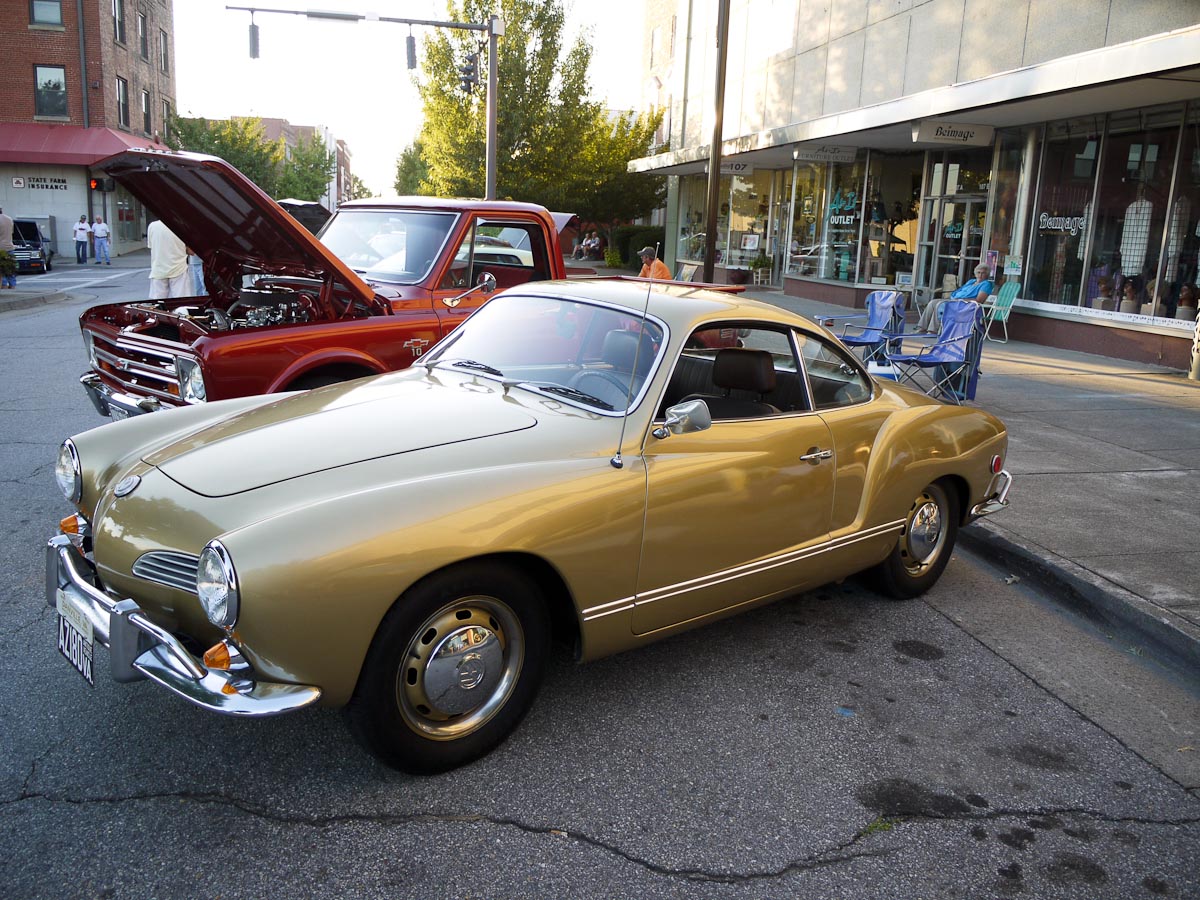
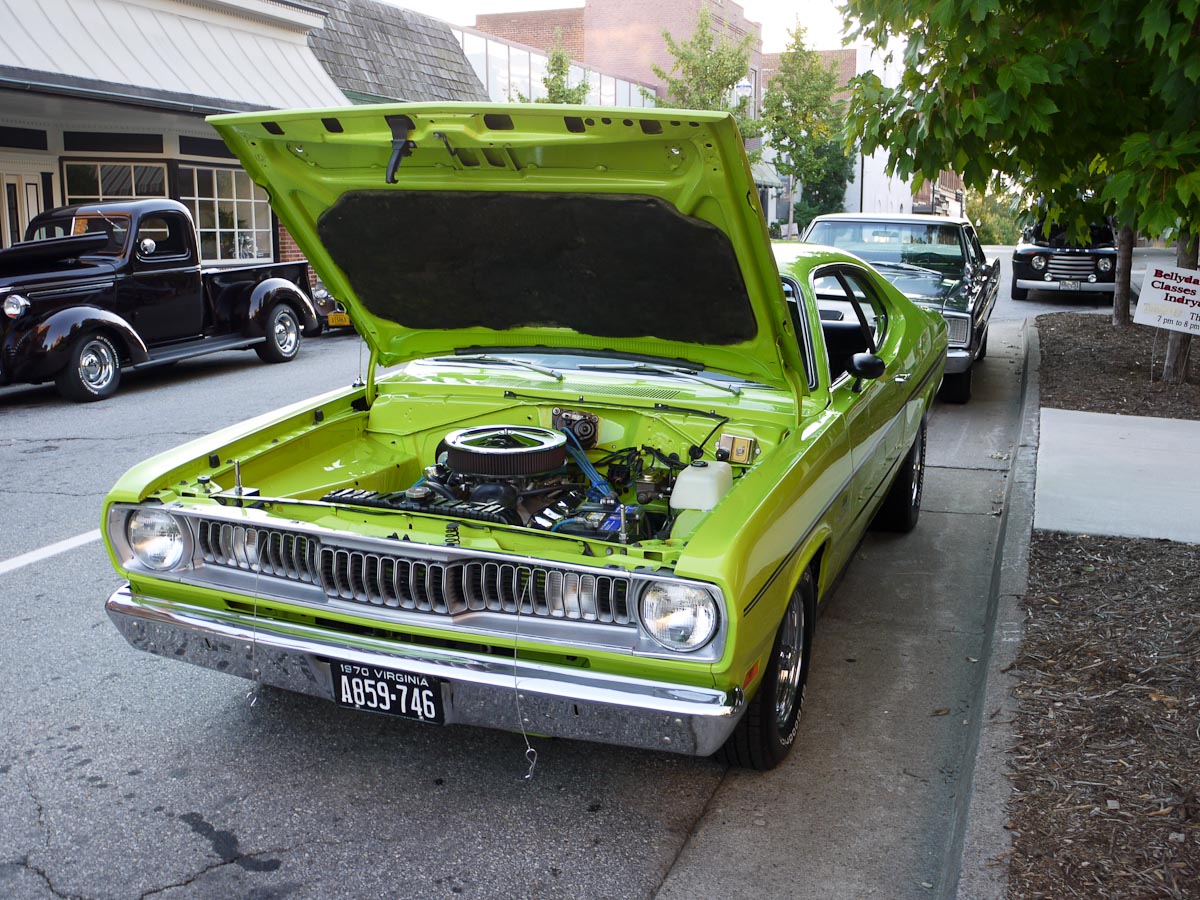
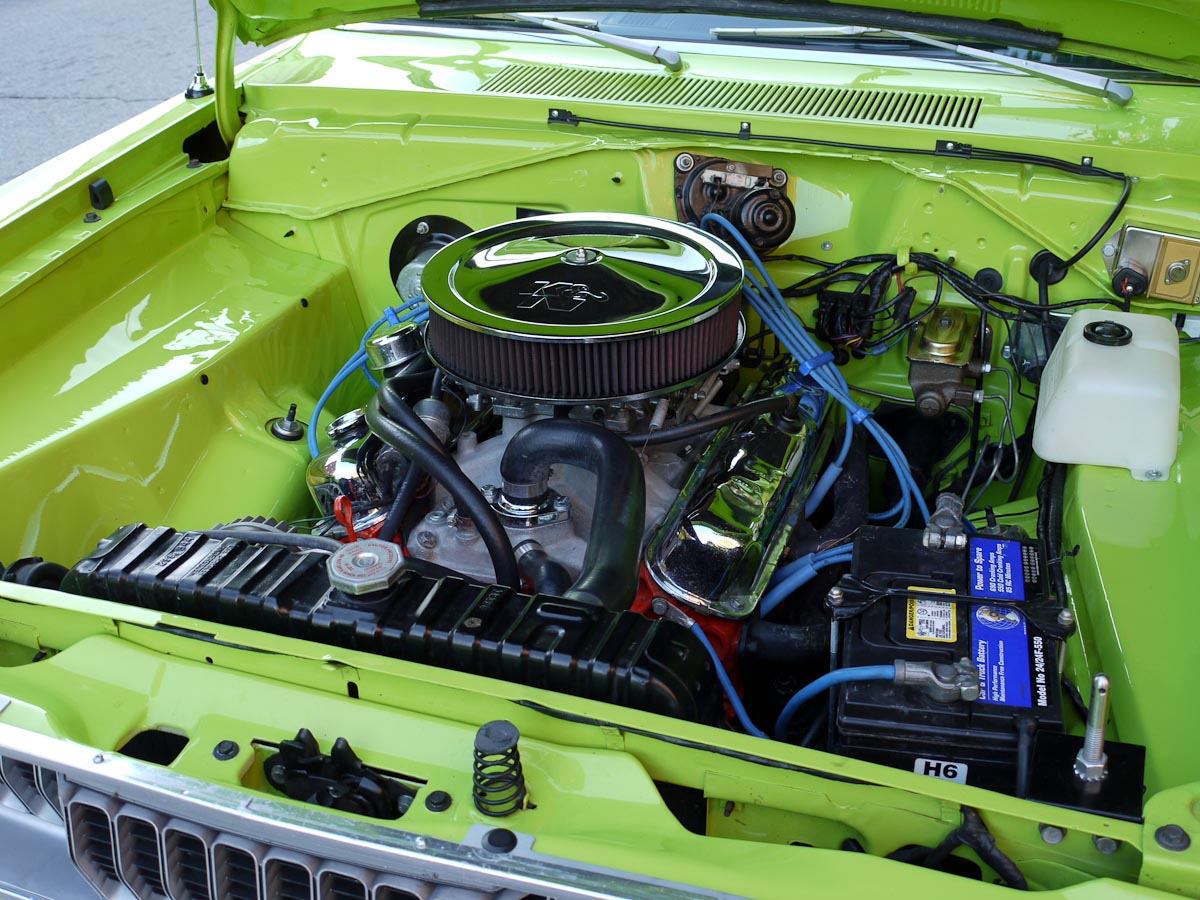
I live near a place that has a big chair. It’s really just that: A big dinning room chair or about 15 feet in height (that’s my estimate since I’m not going to waste time looking that up). Why is it there? I have no idea…it was donated and this area used to make furniture. But like a giant wooden and synthetic upholstery flame it attracts events to it. Once a month when it is warm enough there is a local car show in the vicinity and I happened to go to the last one. I never did take a picture of the big chair so you’ll have to take my word for all that.
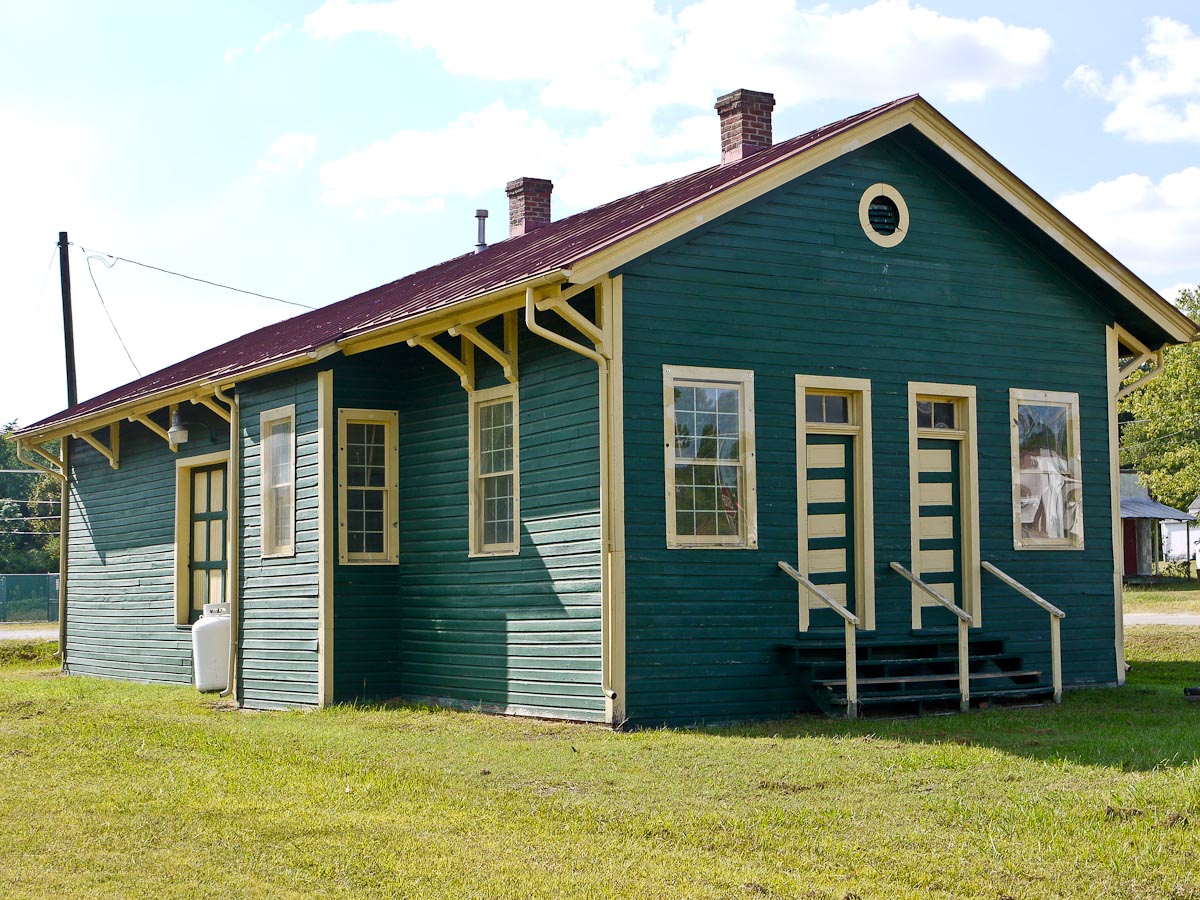
Ringgold, VA is a crossroads without much that needs mention except a restored old depot with a caboose. Oh, and a trail.
The trail is along the route of the old Danville/Richmond railroad line and is where there tracks used to be in the distant past. Now there is nothing but butterflies, dragonflies, and old bikers making use of it. The latter was me today as I decided to pull out my two-wheeled transport and see this for myself. I took some pics along the way I hope you enjoy.
Whitefort, the place, looks to be mostly a road sign on a country road in Ireland near Thurles with no industry I can see. The length of the nave of the French cathedral of Saint Etienne of Bourges is 333 feet. Now you know the irrelevant information I discovered in a search about the pen I’m holding now: the Whitefort 333.
The Whitefort 333.
Not everyone loves a mystery and I would like to know more about this intriguing pen but that info seems lost in the sands of time. It’s an amazingly crafted piece precisely made from machined clear plastic like most mid-20th century display pens. All the parts have exacting tolerances and fit perfectly. Was this one of a few demonstrators made or one of a thousand production models? No idea. Nothing looks prototypical about it under close inspection. The only clues of identity is a clip engraved “W 333” and a nib and cap band engraved “Whitefort 333”. There are no markings on the barrel or other plastic parts.
The Whitefort 333 taken apart.
The nib itself deserves some further comment. It’s marked “14ct” and is two-tone with a band of bright silver plating on the leading edges. Seeing “ct” instead of “kt” here indicates it wasn’t made in North America so that’s at least a bit of useful detail. This is a nicely made nib which reminds me of the similar two tone ones some vintage Onotos had on them.
Can we make any useful guess on this fountain pen’s provenance after this examination? Maybe a half-baked guess is the best we can do. The gold content marking and the name leads me to believe this pen was made in English speaking Europe somewhere. It seems to be made of Lucite (also known as plexiglass) which came into use for pens right before WWII. Lastly, the visual style of the pen is similar to British products from the 1950s. This leads to a very unsteady deduction that it is an UK pen made after WWII and before the flower power decade.
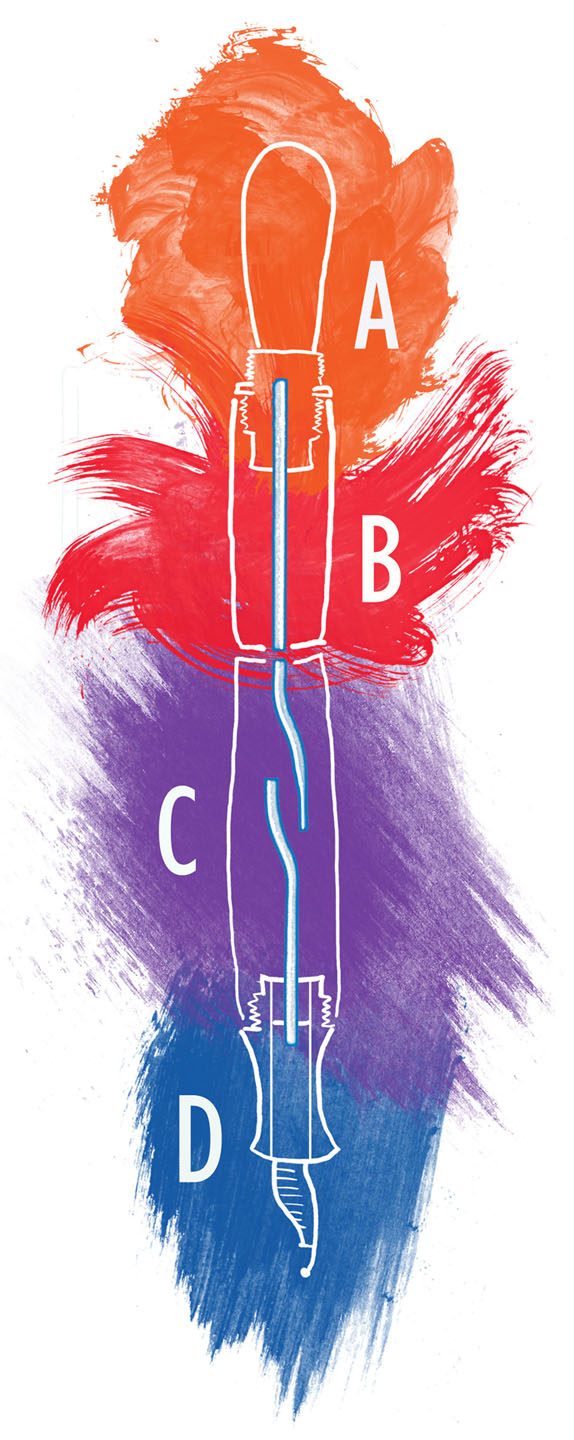
Enough now about the origin of this pen and on to the most interesting facet which is the filling system. This is the most complex bulb-filling system I’ve seen in person or in books. It’s usually a simple system not taken to an extreme like this and I’ve put together a little diagram help me explain the major sections of it (click it for a larger version):
The A section of the illustration is the rubber bulb itself. Pressing and releasing the bulb creates the pressure and vacuum that fills the pen. This fits through and then wraps under a collar which screws into the barrel. The threads for the blind cap are also here.
The B section is an area that I will call the vacuum chamber for no other reason then I have to call it something. The tube that enters this chamber from below allows for the air flow but also keeps this chamber dry. You can see the tube goes quite a ways up so no fluid will be able to get past it and into here theoretically. I don’t know if there is a benefit to this other than the bulb stays ink free so leaking from it would not be possible.
The C section is the ink chamber. There is a divider in the barrel between this and the previous chamber where two tubes come together. Air is evacuated through these and then out the tube connected to the section due to pressure from the bulb. Ink will then flow back through the section tube (if dipped into the bottle) due to the vacuum created by the release of the bulb. Repeat this action until the pen is filled. The height of this section tube marks the upper limit of the ink level in the chamber which it just about to the top. The reason the upper tube in this chamber hugs the side of barrel at the far end is a mystery to me. Possibly they felt that capillary action would pull any ink that got into this tube out again?
The D section is the nib, feed, and section of the pen.
How well does this filling system work? Well, I’m not going to fill this pen despite my usual lack of reluctance to using NOS or rare-ish pens. I have no idea how many of these are left and I like looking at it empty and clear. Using water I can tell you that the upper chamber can get liquid in it if you are over enthusiastic with your filling which would not be a good thing since it has no place to exit from up there. The system’s all a bit silly really. The rest of the pen should function normally since it has a standard construction.
So now you’ve seen this bit of history too and I hope you found it interesting. There’s always something out there that can befuddle and confound it seems.
Labor day is a holiday many people have off work so it always confuses me. I’ll never solve that conundrum but I do know it’s often thought of as the end of summer so I went out to catch some of the last flora, fauna, and weird animal stuff while I still could in the pleasant sunny weather. These photos were taken at the Bicentennial and Bog Gardens in Greensboro, NC. Continue reading “Laborless Day”